
Published February 18, 2026 • ← Back to Blog
Living in the Lynchburg area means dealing with real seasonal swings. Summers regularly push into the 90s with humidity that makes your AC work overtime, and winter temperatures can drop into the teens, especially up in the foothills around Bedford and Amherst counties. Your HVAC system handles both ends of that, and in a climate with a real cooling season and a real heating season it rarely gets a quiet month. Keeping it maintained is not optional. It is the difference between a system that lasts 18 years and one that dies at 11.
Change Your Air Filters, But Know Which Filter to Use
This is the simplest and most overlooked maintenance task. A clogged filter forces your system to work harder, drives up your energy bill, and shortens equipment life. During peak usage months (July and August for cooling, December through February for heating), check your filter every 30 days.
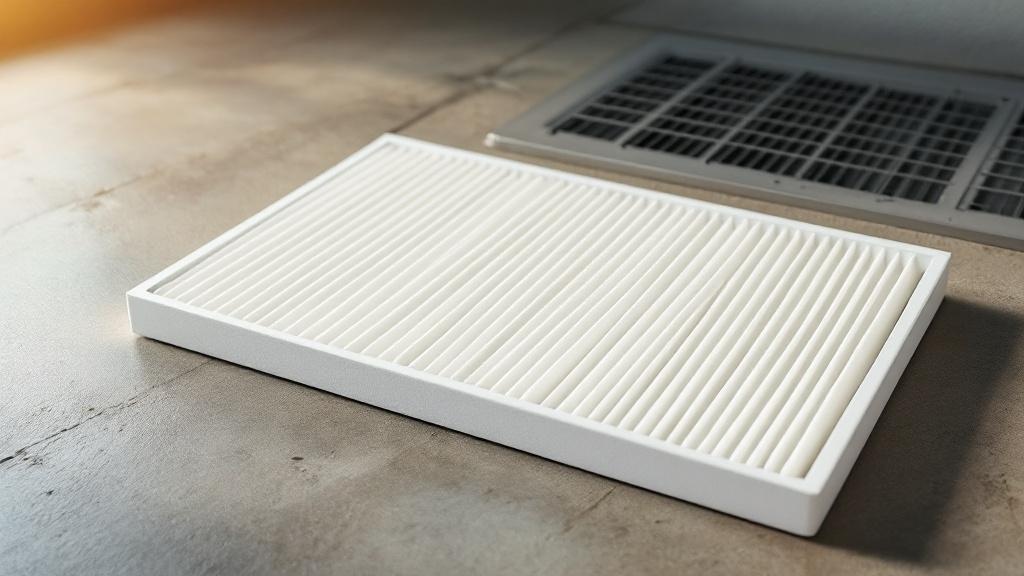
But here is where most generic advice falls short: not all filters are created equal, and the right one depends on your specific situation.
MERV ratings explained. MERV stands for Minimum Efficiency Reporting Value. It tells you how effectively the filter captures particles of different sizes:
- MERV 8: Catches dust mites, mold spores, and pollen. Fine for most homes with no specific allergy concerns. This is the standard filter most systems ship with.
- MERV 11: Adds capture of pet dander, finer dust, and auto exhaust particles. Good for homes with dogs or cats, or anyone with mild seasonal allergies. This is the sweet spot for most Lynchburg homes.
- MERV 13: Captures bacteria, smoke particles, and very fine dust. Recommended if anyone in the household has asthma or serious respiratory issues. However, and this is important, not all residential systems can handle MERV 13 without reduced airflow. If your system was not designed for a high-restriction filter, running MERV 13 can actually strain the blower motor and reduce efficiency. Ask your HVAC tech before upgrading to MERV 13.
For most Lynchburg homes, swapping a MERV 11 filter every 60 to 90 days during moderate weather and every 30 days during extreme heat or cold is a good baseline.
Timing Filter Changes to Lynchburg's Pollen Calendar
Lynchburg sits in a valley surrounded by hardwood forest, which makes pollen season particularly brutal here. The major peaks:
- Late March through April: Tree pollen, oak, maple, and pine are the worst offenders. Pine pollen is the yellow dust that coats everything. It is actually too large to cause most allergic reactions, but it clogs filters fast.
- May through June: Grass pollen. Less visible than pine but more allergenic.
- Late August through September: Ragweed. This is the one that sends most allergy sufferers to the pharmacy. Ragweed pollen counts in the Lynchburg valley regularly hit "very high" on the AQI scale.
During these peak periods, check your filter every two weeks. If it looks gray or clogged, swap it. A filter costs a few dollars and a service call does not, and a choked filter is one of the cheapest ways to buy yourself one.
Schedule Seasonal Tune-ups (and Use Available Rebates)
The best time to service your AC is in late spring, before you actually need it. Same goes for your furnace or heat pump: get it checked in early fall. A professional tune-up typically includes checking refrigerant levels, cleaning coils, inspecting electrical connections, testing capacitors, and verifying thermostat calibration.
Here in the Blue Ridge, the elevation changes between areas like Forest (around 900 feet), Boonsboro (around 1,050 feet), and the higher spots near the Parkway (2,000+ feet) mean your system works differently depending on where your home sits. A local technician who knows these conditions can spot issues a generic checklist would miss.
- Appalachian Power rebates. The utility for most of the Lynchburg area is Appalachian Power, an AEP company, and its efficiency programs run under the TakeCharge Virginia banner rather than the AEP name, which is why people search for the wrong thing and conclude there is nothing on offer. The residential programs listed there include Home Performance, Bring Your Own Thermostat, Efficient Products instant discounts, ENERGY STAR appliances, and low income weatherization. Rebate values change, so read the current list rather than a figure quoted in an article, this one included, and ask your contractor which programs they are set up to file for.
- Dominion Energy customers in parts of the region may have access to similar rebate programs. If you are on the Dominion side (more common in Campbell County and parts of Rustburg), check their residential energy efficiency program page for current incentives.
Heat Pumps in the Blue Ridge: The Efficiency Question
Most homes built or updated in the Lynchburg area since the late 1990s use heat pump systems for both heating and cooling. Heat pumps are efficient, in moderate weather, they can deliver 2 to 3 units of heat for every 1 unit of electricity consumed. That is a significant advantage over electric resistance heat or even gas furnaces.
But here is the catch that matters in our climate: heat pump efficiency drops as outdoor temperatures fall. At 47 degrees Fahrenheit, a standard air-source heat pump operates at full rated capacity. At 35 degrees, efficiency drops noticeably. Below 25 degrees, which happens regularly in January and February in Bedford County and at higher elevations, the heat pump may struggle to keep up, and the system switches to auxiliary electric resistance heat strips, which are essentially a giant toaster inside your air handler. Those heat strips consume electricity at roughly three times the rate of the heat pump in moderate weather.
This is why some Lynchburg homeowners see their January electric bill spike to $350 or $400 despite having a "high-efficiency" system. The heat pump is efficient; the backup strips are not.
What you can do about it:
- Make sure your heat pump is properly charged with refrigerant. Even slightly low refrigerant reduces cold-weather heating capacity significantly.
- Consider a dual-fuel system if you have natural gas available, the heat pump handles heating down to about 35-40 degrees, then a gas furnace takes over below that. Gas heat is cheaper per BTU than electric resistance strips in most Virginia rate structures.
- If your home was built before 1990, have your ductwork inspected. Leaky ducts in a cold crawl space or attic can waste 20 to 30% of your heated air before it reaches the living space.
- Newer cold-climate heat pumps (also called hyper-heat or low-ambient models from Mitsubishi, Fujitsu, Daikin) maintain useful heating capacity down to 5 degrees Fahrenheit. If you are replacing a system, these are worth the upcharge in our climate.
Mini-Splits for Older Lynchburg Homes
Many older homes in downtown Lynchburg, Garland Hill, and Federal Hill were built long before central air conditioning existed. Some have been retrofitted with ductwork, often crammed into closets and soffits with compromised airflow, and some still rely on window units and space heaters.
Ductless mini-split heat pumps are a genuinely good solution for these homes. A single-zone system, one outdoor unit and one indoor wall unit, heats and cools a large room or an open floor plan. Multi-zone systems run one outdoor unit against two to four indoor heads and can cover a whole house. Blue Ridge Home Pro does not price HVAC work, so get the number from the contractor who surveys the rooms, and ask for the single-zone and multi-zone options side by side rather than one figure. They avoid the cost and disruption of retrofitting ductwork into a house that was not designed for it.
Heads up on incentives: the federal Energy Efficient Home Improvement Credit that used to cover 30% of a qualifying heat pump, up to $2,000, is finished. The IRS page for the credit states it "is allowed for qualifying property placed in service on or after Jan. 1, 2023, and before December 31, 2025." A mini-split installed in 2026 does not qualify, so budget without it and treat any contractor still quoting that credit as a reason to check the rest of their numbers. Utility rebates are separate and may still apply.
The R-22 Refrigerant Situation
If your AC or heat pump was installed before 2010, there is a good chance it uses R-22 refrigerant (also called Freon). R-22 was phased out of production in the United States in January 2020 due to its ozone-depleting properties. It is no longer manufactured or imported, the only R-22 available is reclaimed from decommissioned systems.
What this means for you: if your R-22 system develops a leak and needs a recharge, the refrigerant alone can cost $125 to $175 per pound. A typical residential system holds 6 to 12 pounds. That is $750 to $2,100 just for refrigerant, not counting the service call or leak repair. And it is only getting more expensive as supply dwindles.
Modern systems use R-410A or the newer R-454B (which is being phased in as an R-410A replacement for new equipment starting in 2025). If you are still running an R-22 system and it needs a major repair, a compressor replacement, a significant refrigerant leak, you are almost always better off replacing the entire system rather than sinking money into obsolete equipment.
Keep Your Outdoor Unit Clean
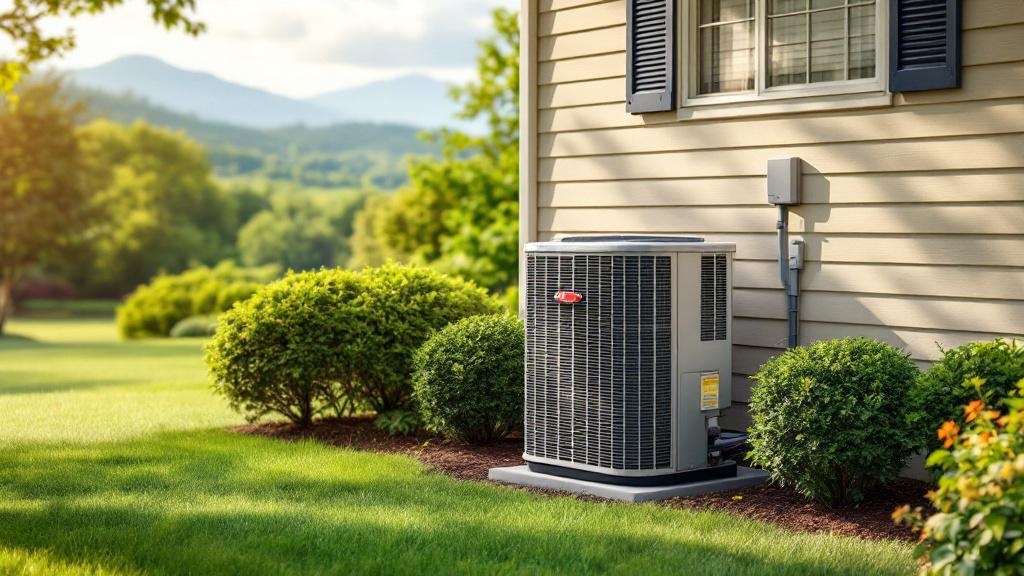
If you have a central air conditioner or heat pump, the outdoor condenser unit needs breathing room. Clear away leaves, grass clippings, and debris at least two feet around the unit. After pollen season (which hits especially hard around Lynchburg in April and May), hose down the fins gently to remove the yellow pine pollen crust. Never run a pressure washer on it, the fins are thin aluminum and bend easily.
In winter, brush off any ice or snow accumulation. If ice builds up on the coils and does not defrost on its own within an hour or two of the system running, that is a sign something is wrong with the defrost cycle, the defrost control board, the reversing valve, or the outdoor temperature sensor. Call a technician before the compressor gets damaged.
Check Your Ductwork for Leaks
Leaky ducts can waste 20 to 30 percent of the conditioned air your system produces. If certain rooms in your house are always too hot or too cold while others are comfortable, ductwork is often the culprit, not the HVAC equipment itself.
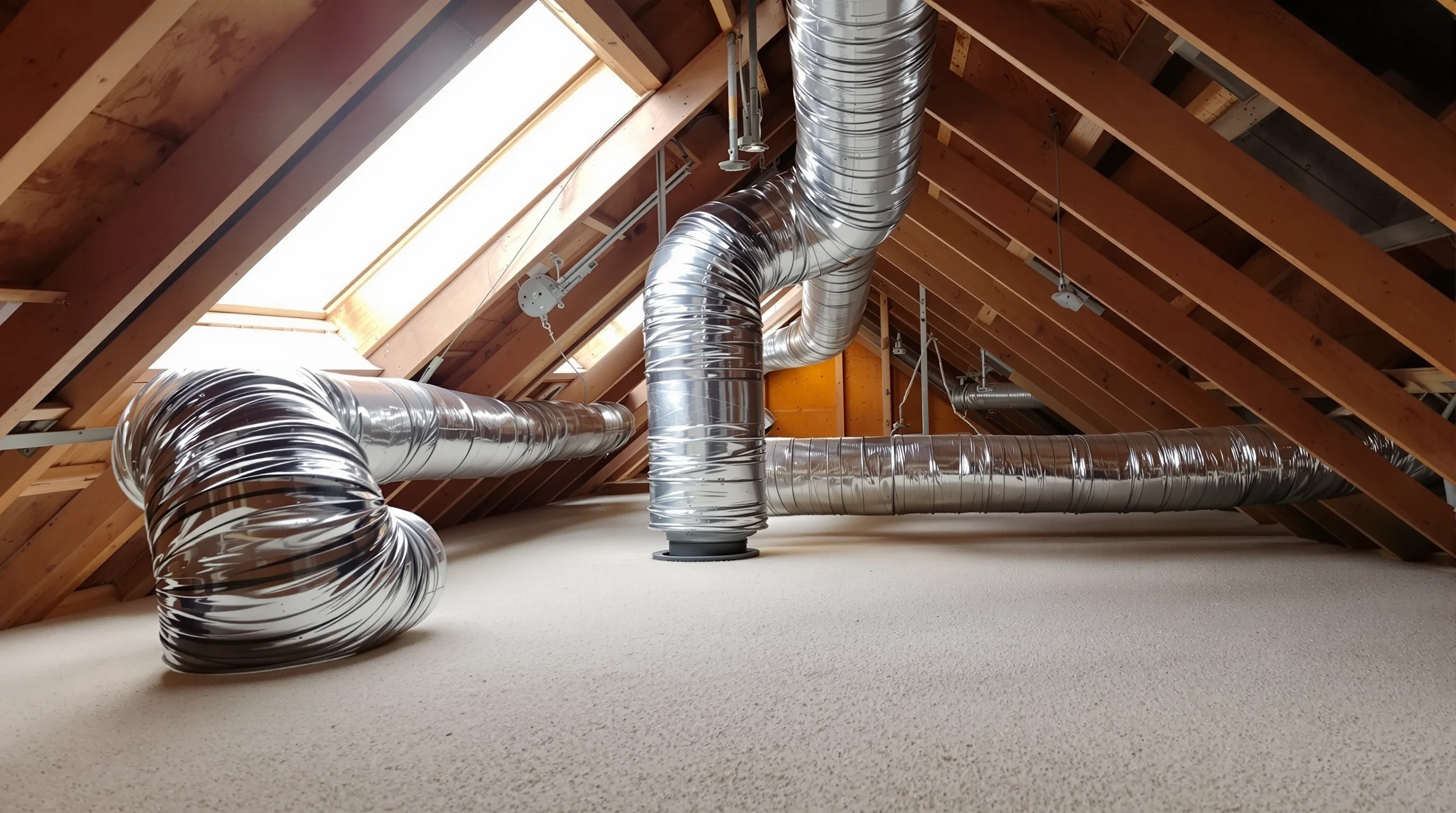
Check for visible gaps or disconnected sections in your attic or crawl space. Flex duct connections are the most common failure point, the joints where flex duct connects to rigid metal plenums often loosen over time, especially in crawl spaces where moisture deteriorates the foil tape. A professional duct inspection and sealing using mastic (not just tape) can pay for itself within 18 months through lower energy costs.
Older homes in the Lynchburg area, especially those built before the 1980s, are particularly prone to duct problems. Many have ducts running through unconditioned crawl spaces or attics with zero insulation around the ducts themselves, you are heating or cooling the crawl space along with your living room.
Carbon Monoxide Detector Placement
If you have any gas-fired equipment, a gas furnace, gas water heater, gas fireplace, carbon monoxide detectors are not optional. Virginia law requires CO detectors in all residential dwellings with fuel-burning appliances. Place one on every level of the home, within 10 feet of each bedroom door, and near (but not directly beside) any fuel-burning appliance.
Replace CO detectors every 5 to 7 years regardless of whether they have alarmed. The sensors degrade over time. Check the manufacture date on the back, if it is more than 7 years old, replace it now. A detector that is too old to function properly gives you a false sense of security that is worse than having no detector at all.
When to Call a Professional
Some warning signs should not be ignored: unusual noises (banging, squealing, or grinding), a system that cycles on and off every few minutes (short cycling), weak airflow from the registers, burning or chemical smells, or a spike in your electric bill with no change in usage.
If your system is more than 15 years old and needs a repair that costs more than $1,500, it is worth getting a quote for full replacement alongside the repair estimate. Modern systems are 30 to 50% more efficient than units from 2010 or earlier, and the energy savings plus any current utility rebates can make replacement the better financial decision.
When you need a licensed HVAC technician in the Lynchburg metro area, we can connect you with someone who knows the local climate, understands the quirks of older Virginia homes, and works with the current rebate programs. HVAC is a licensed trade in Virginia, and we verify the licence and the insurance before making a referral.
System Acting Up?Talk to a Lynchburg HVAC Pro
Whether it is a tune-up, a repair, or time for a new system, we connect you with local HVAC contractors who know Blue Ridge weather. Brad Morrison, based in Bedford, covers HVAC alongside electrical, remodels and refrigeration, and is listed on our contractors page.