Window Contractors
Windows That Last
Replacement windows, repairs and full-frame installations from experienced local contractors. Free in-home estimates, no obligation.
Comfort You Can Feel, Bills You Can Read
Windows that leak air, stick in the frame, or fog between the panes cost you money every month. Summer humidity pushes its way in, winter cold finds every gap, and the heating and cooling system works harder to hold a steady temperature.
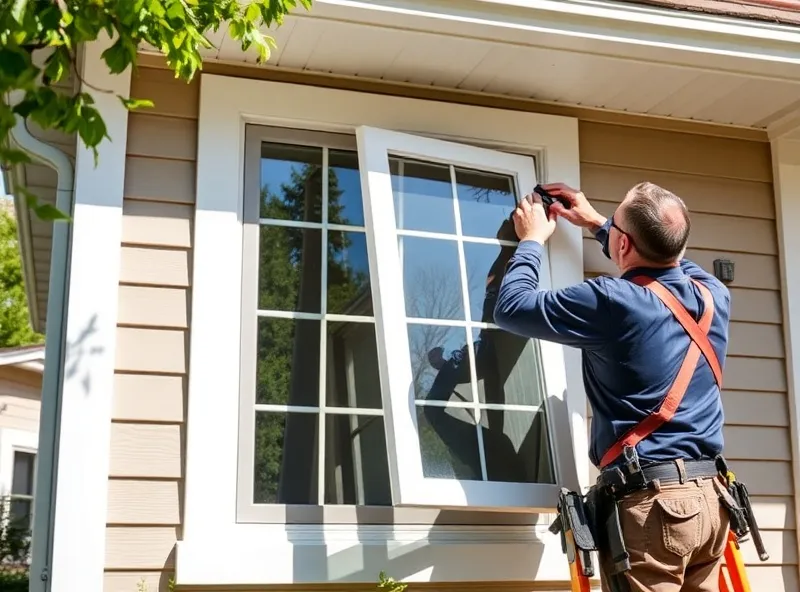
Blue Ridge Home Pro does not install windows. We connect Lynchburg homeowners with independent local contractors whose licence and insurance have been verified before referral. They assess what you have, explain whether repair or replacement makes more sense, and quote the work in writing. The decision stays with you.
The Right Window for the Opening
- Energy Star certified options available
- Licence and insurance verified before referral
- Double and triple-pane glass options
- Custom sizes and styles
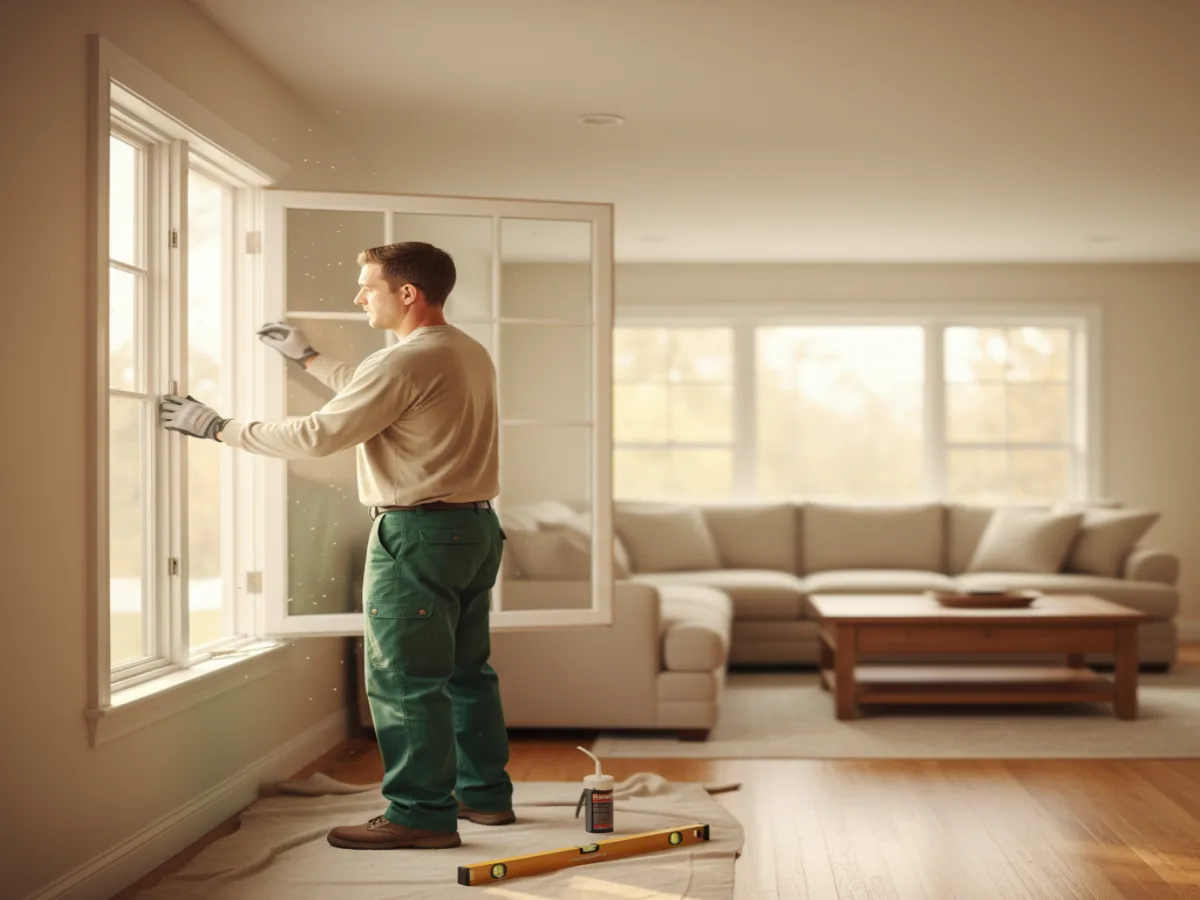
- Insert and full-frame replacement
- Professional installation with warranty
- Free in-home estimates
Replacement Window Types
Averages below are from This Old House, updated August 2026, and are national per installed window. Treat them as a midpoint, not a quote.
By style
Double-hung averages $551 and is the most common choice here: both sashes move, which makes second-story bedrooms in older city homes easy to clean from inside. Single-hung averages $474. Casement, at $529, hinges and cranks outward and seals tightly when closed, which helps on exposed sites where wind-driven rain is common. Sliding averages $531 and suits wide openings, though tracks need cleaning through pollen season. Picture windows average $540 and do not open. Bay averages $550 in that survey, but it projects outward and needs structural support, so the real project is larger than the figure suggests.
By frame material
Vinyl averages $472, needs little upkeep, and expands and contracts with temperature swings. Fiberglass averages $564, holds its shape better and can be painted. Wood averages $544 and offers the traditional look that suits many Lynchburg homes, but it needs painting or sealing and will rot if water sits on the sill. Composite averages $513. Aluminium averages $453 with the lowest upfront cost and the weakest thermal performance.
Matching material to the house
For an older home in Federal Hill or Diamond Hill, wood or aluminium-clad wood usually matches the original character better than vinyl, and in a historic district that is not only an aesthetic question. For a newer build in Forest or Bedford, vinyl or fiberglass is the practical choice.
What moves your own number
Opening size, whether the frame comes out, how much trim has to be rebuilt, and disposal of the old units. A whole-house project prices differently per window than a single replacement, because the crew is already on site. Ask for the per-window figure and the project total, and check that trim and disposal appear in both.
What Energy Efficiency Actually Buys You Here
Central Virginia is not a northern climate, and the specification that makes sense here is not the one a national brochure sells.
Window efficiency comes down to two numbers. U-factor measures how well the window resists heat flow, and lower is better. Solar Heat Gain Coefficient, or SHGC, measures how much solar heat passes through the glass. In central Virginia you want a balance: a low enough U-factor for winter, without an extremely low SHGC that also blocks the winter sun you actually want.
Low-E coatings reduce radiant heat transfer and help in both seasons. Double glazing with a low-E coating and an argon fill is the sensible standard for this climate. Triple glazing is usually overkill in Lynchburg. It improves U-factor, but the added cost makes far more sense in a northern climate with long severe winters than it does here. For most homes in this area, a good double-glazed low-E unit is the right target.
One point needs stating plainly. The federal 25C energy efficiency home improvement tax credit for windows is gone for 2026. The IRS states it is allowed for property placed in service before 31 December 2025, so a window fitted this year does not qualify. It previously offered 30 percent of cost up to $600. Any page or contractor still promising that credit is working from outdated information, and it is worth knowing before you let it influence a quote comparison.
What remains is the utility bill saving itself, which depends on your current windows, your home's air sealing and your habits. State or utility programmes come and go, so check directly with your utility rather than relying on a contractor's claim, and take tax questions to a tax professional.
Windows in an Older Lynchburg Home
The city core holds a large stock of original wood sash, and those windows were built to be repaired.
Many of them use weight-and-pulley counterbalances hidden in the side jambs. A broken sash cord, a stuck weight or a worn parting bead is a straightforward fix for a contractor who works on old houses. Restoration can cost less than replacement and keeps the character that makes Federal Hill, Diamond Hill, Garland Hill and Rivermont what they are.
If your home sits in a designated historic district, exterior work that changes the appearance of the building may require a Certificate of Appropriateness from the Lynchburg Historic Preservation Commission before work begins. Like-for-like repair is generally treated as a minor action. Replacing original wood windows with a different material or style is a different matter, and a contractor should ask about your district status before quoting.
Storm windows are the preservation-friendly option people forget. A well fitted exterior storm over a restored original sash can approach the thermal performance of a mid-range replacement window, at lower cost and with no loss of historic fabric.
For homes built before 1978, lead paint is a real concern. A contractor disturbing painted surfaces should be following the federal Renovation, Repair and Painting rule. And in a historic district, a full-frame replacement is a larger conversation than an insert, because it changes the exterior appearance and may trigger commission review, while an insert that fits inside the existing frame preserves the original trim and sightlines.
Repair, Insert or Full-Frame
Three different jobs at three different prices, and the frame decides which one you need.
Repair covers a surprising amount. Fogging between panes means the seal on an insulated glass unit has failed, and the glass unit can often be swapped without replacing the whole window. Rotted sills are common on older homes where water has sat against wood, and a sill can sometimes be repaired without removing the window. Sash cord repair addresses the weight-and-pulley system in older double-hung units and is usually a localised fix.
An insert fits a new unit inside the existing frame. It works when the frame is square, sound and free of rot. It costs less than full-frame work and preserves interior and exterior trim, which matters more than most homeowners expect on an older house.
Full-frame replacement removes the entire window, frame and all. It is necessary when the frame is rotted or out of square, or when you want to change the size or style. It costs more and creates more disruption, but it addresses problems an insert cannot. Repair is usually the least expensive of the three, inserts sit in the middle, and full-frame is the most expensive. Which category your windows fall into is a question someone has to answer in person.
How to Vet a Window Installer in Virginia
A whole-house window project can cross a licence class boundary that a single replacement never would, which makes the class worth checking here.
Class C
A single project over $1,000 and under $30,000. Covers repairs and most partial window projects.
Class B
$30,000 to under $150,000. Where a whole-house replacement on a larger home lands.
Class A
$150,000 or more. Rare for a single residence.
Under Code of Virginia section 54.1-1100, a licence is required once a single project exceeds $1,000 including labour and materials. Match the class against your own quote: a contractor holding only Class C cannot lawfully take a $40,000 whole-house project. Look the number up through the Virginia Department of Professional and Occupational Regulation.
What the written quote should itemise. The window units and the specific product line. Labour. Interior and exterior trim work, which is where insert and full-frame quotes quietly differ. Disposal of the old units. Start and completion dates.
Insurance and practice. Ask for general liability confirmed current, and workers compensation, which Virginia requires at three or more employees. On an older home, ask specifically how the crew handles lead paint and whether they have dealt with historic district approvals before.
Walk away signals. Pressure to sign the same day. Full payment demanded up front. Refusal to put the scope in writing. A quote that will not separate the unit price from the installation.