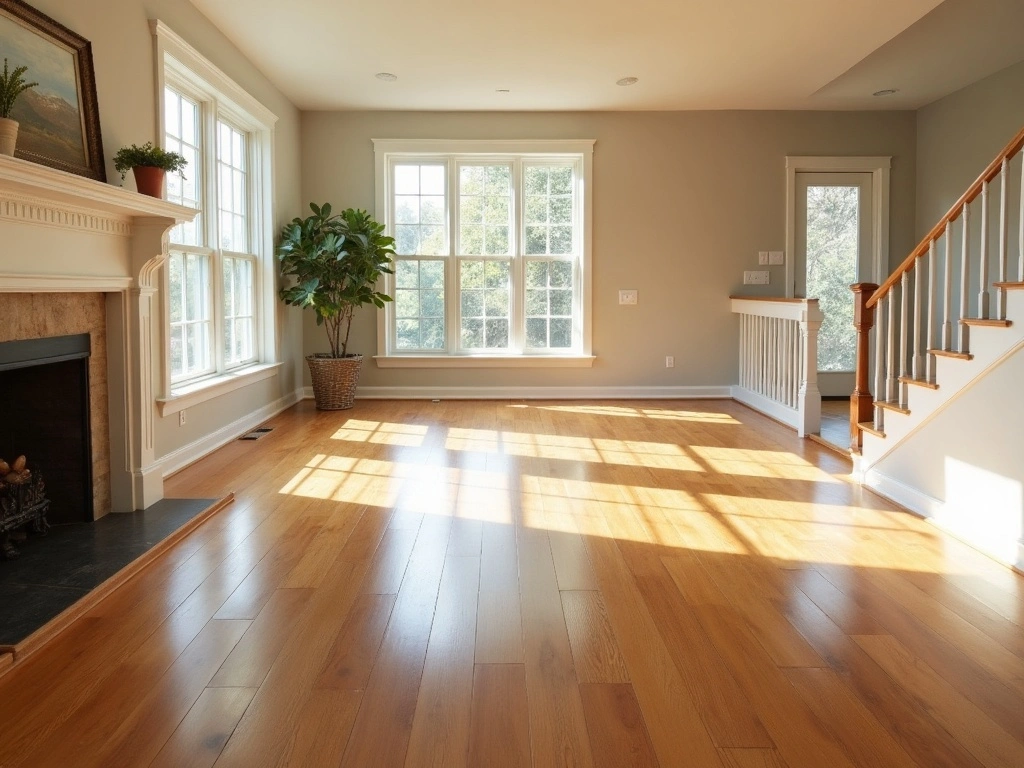
Wood Floor Restoration
Old floors brought back, not covered up.
Sanding, refinishing, and full restoration that brings tired, scratched, or water-damaged wood floors back to life. Experienced local contractors. Free estimates, no obligation.
Restore, Don't Replace
Solid hardwood floors are one of the most valuable features in a home, and a thick one can be sanded six to eight times across its service life. That is why a floor that looks past saving usually is not. We connect you with contractors who know how to sand, repair, and refinish wood floors the right way.
Whether your floors are scratched, faded, water-stained, or have lost their finish entirely, our contractors handle dustless sanding, board repair and replacement, stain color changes, and durable polyurethane finishes. Older homes and historic floors are welcome.
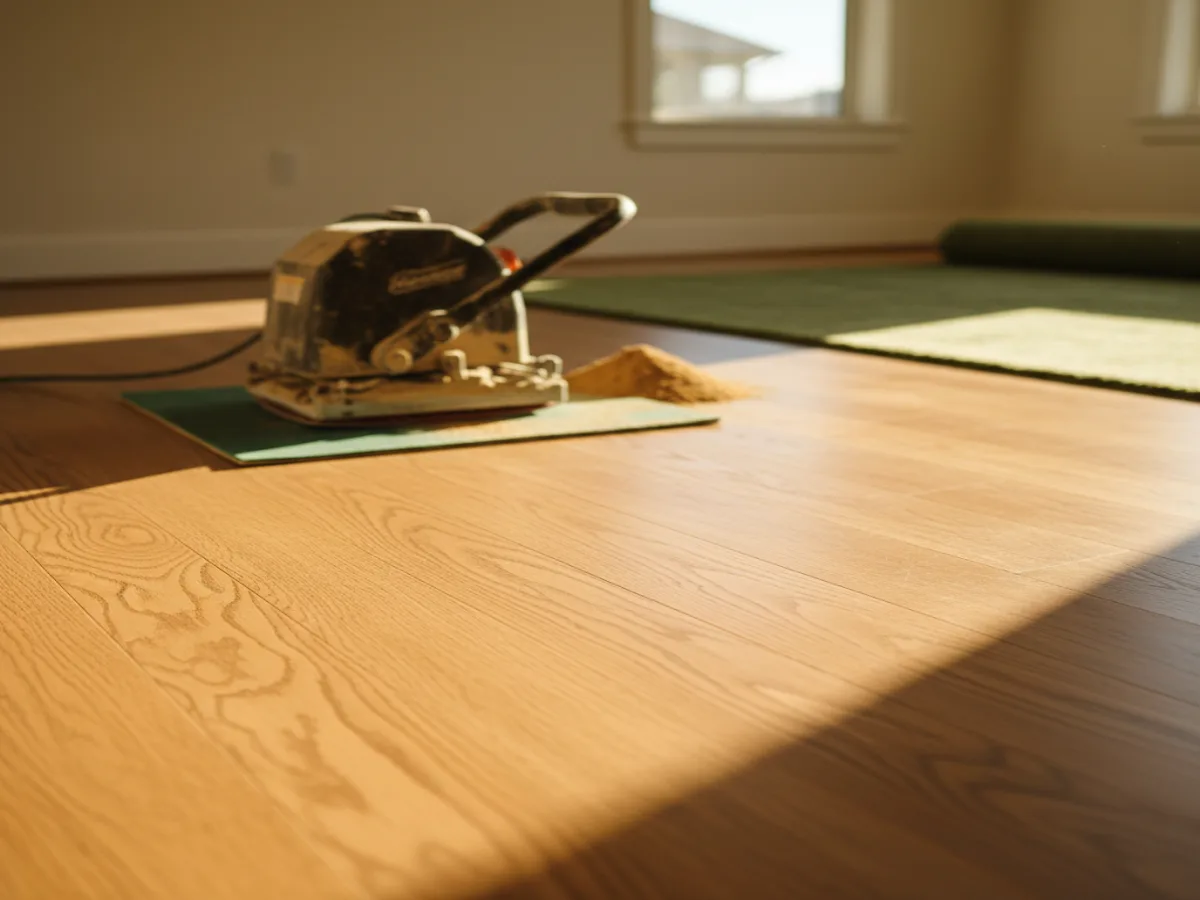
Floors That Look New Again
- Sanding, refinishing, and full restoration
- Board repair and seamless replacement
- Licence and insurance verified before referral
- Stain color changes and custom finishes
- Dustless sanding options available
- Care for older and historic hardwood
- Free on-site estimates
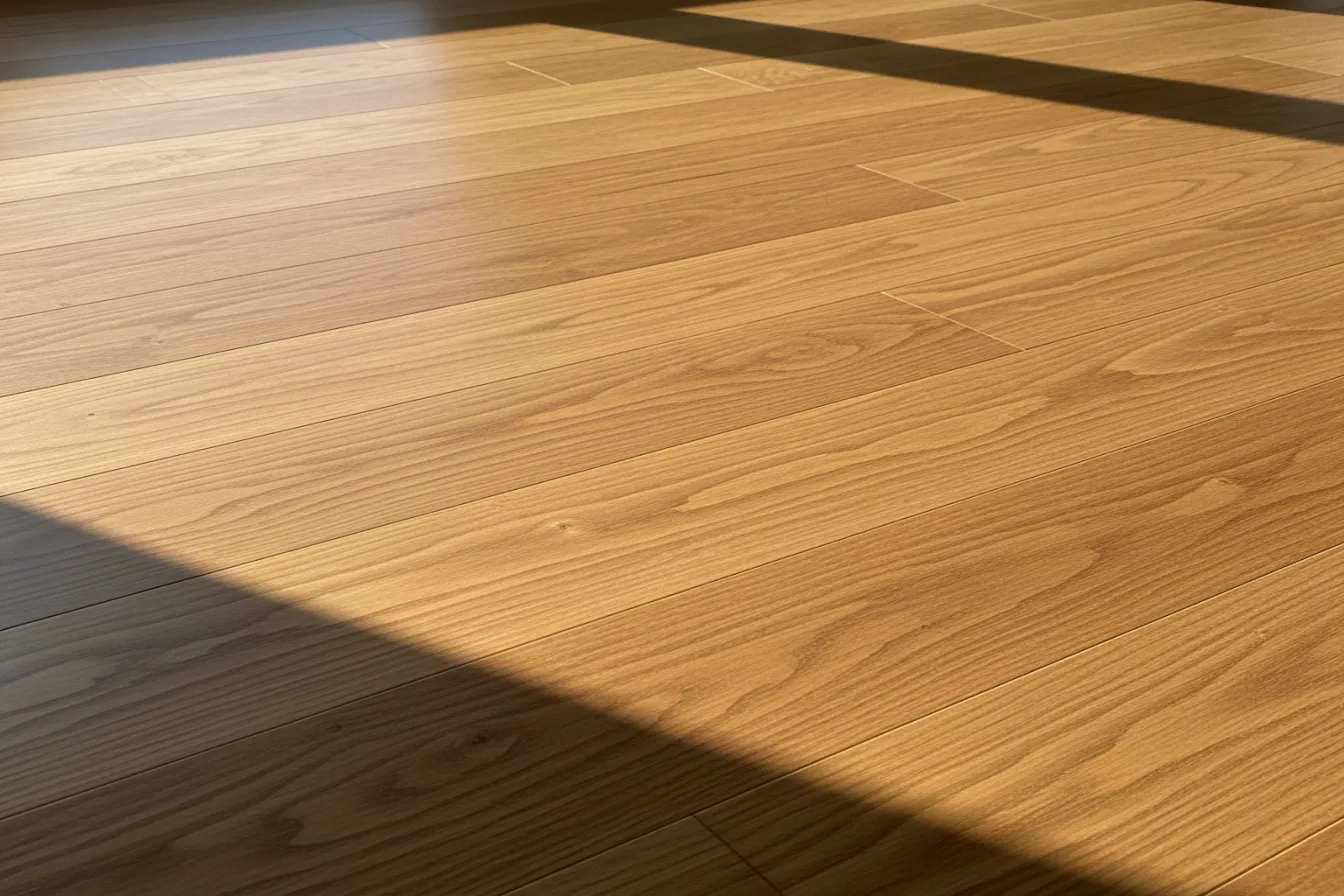
How Floor Restoration Works
Refinishing is a process, not a single step. Knowing what each stage involves helps you plan around it and understand the quote.
Assess and Repair
The contractor checks board condition, gaps, squeaks, and water damage, then repairs or replaces individual boards. This is also when you decide whether to keep your current color or change it.
Sand and Stain
The old finish is sanded back to bare wood, often with dustless equipment, then stained to your chosen color. Sanding is what removes years of scratches, wear, and sun fading.
Finish and Cure
Several coats of protective polyurethane go down, then the floor cures. Sock traffic is fine after about 24 hours on a water-based finish, or 48 to 72 hours on an oil-based one. Furniture goes back after a few days, rugs after a week.