
Published February 18, 2026 • ← Back to Blog
Your home's siding does more than look nice. It is the first line of defense against rain, wind, UV exposure, and temperature swings. In the Blue Ridge region around Lynchburg, where weather can shift from a sunny 85-degree afternoon to a thunderstorm dumping an inch of rain in the same day, your siding choice really matters. Pick the wrong material, or install the right material incorrectly, and you will be dealing with rot, mold, pest damage, or peeling paint within a few years.
Here is an honest comparison of the most common options, with specific attention to how they perform in our local conditions.
Vinyl Siding
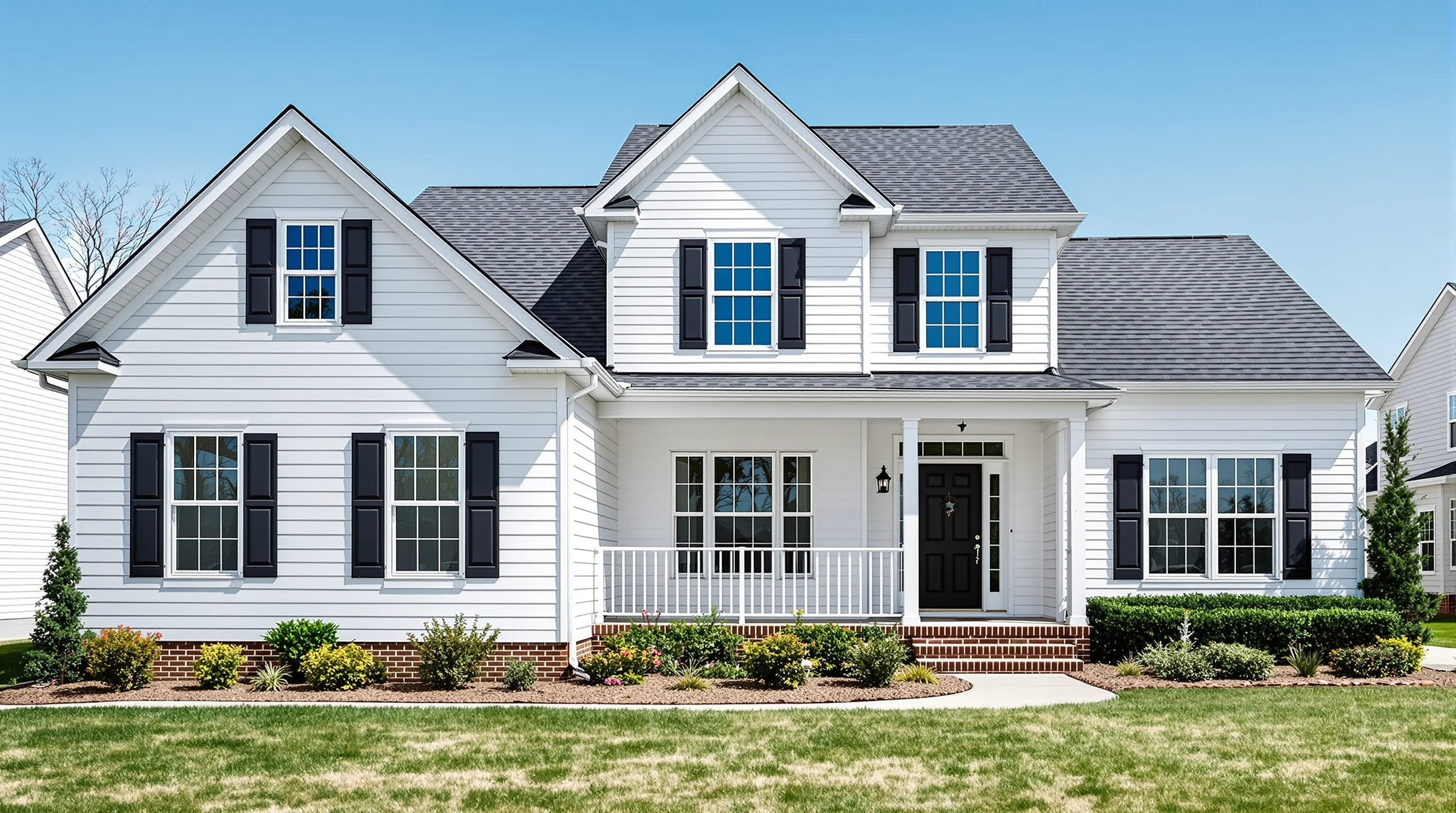
Vinyl remains the most popular siding material in central Virginia, and for understandable reasons. It is the cheapest of the common materials. Hover's siding cost guide, published January 5, 2026, puts vinyl at $4 to $12 per square foot installed nationally, the widest band being grade and trim detail rather than region. Blue Ridge Home Pro does not price siding work, and the contractor who measures your walls sets the number. Vinyl also comes in dozens of colors and profiles, and requires very little maintenance beyond an annual pressure wash.
Modern vinyl has come a long way from the thin, shiny panels of the 1990s. Thicker profiles from CertainTeed, Alside, and Ply Gem (0.044 to 0.046 inches) are more fade-resistant and can convincingly mimic wood grain texture. It handles Virginia's humidity well and will not rot or attract termites.
The downsides in our climate: Vinyl can crack in extreme cold if struck by something, a wayward tree branch during an ice storm, for example. This is a real concern in wooded areas around Forest and the Bedford County foothills where trees overhang homes. Vinyl can also warp if installed too tightly without room for thermal expansion. The material expands and contracts with temperature changes, a 12-foot panel can change length by nearly 3/8 of an inch between a 15-degree January morning and a 95-degree July afternoon. A skilled installer leaves expansion gaps at every joint and nail slot. An inexperienced one nails it tight and you get buckling by the second summer.
The freeze-thaw factor. Homes at higher elevations, Boonsboro, the Peaks of Otter area, parts of Bedford County above 1,200 feet, experience more freeze-thaw cycles per winter than homes in the valley. Vinyl handles freeze-thaw well because it does not absorb moisture. This is actually one of vinyl's strongest advantages at elevation compared to wood or fiber cement.
Fiber Cement Siding (HardiePlank and Alternatives)
Fiber cement, most commonly associated with the James Hardie brand (HardiePlank), is made from a mix of Portland cement, sand, and cellulose fibers. It is extremely durable, fire-resistant, and holds paint far longer than wood, typically 15 to 20 years between repaintings versus 5 to 7 for wood. Most fiber cement comes with a 30 to 50-year warranty on the substrate.
James Hardie builds two formulations for different climates under its HardieZone system. HZ5 is engineered for freezing temperatures, wide seasonal swings, snow and ice. HZ10 is engineered for the hot, humid, hurricane-exposed South. Central Virginia is HZ5, and that is not a judgment call: James Hardie publishes the assignment by ZIP code in its Hardie Zone by state and ZIP code list, where 24501 through 24506 in Lynchburg, 24551 in Forest, 24523 in Bedford and 24572 in Amherst are all HZ5.
So if you go the Hardie route here, the formulation you want is HZ5. It is worth saying plainly because the two numbers get transposed constantly, including by people who should know better. Ask which zone your contractor is ordering and check it against the ZIP list yourself.
Hover puts fiber cement at $6 to $15 per square foot installed against $4 to $12 for vinyl, so on the same house it is usually the more expensive choice. It is also heavier and harder to install, which means labor costs are higher. But if you plan to stay in your home for 15 or more years, the durability and lower lifetime maintenance costs often make it the better long-term value.
The Woodpecker Problem
This deserves its own section because it catches a lot of homeowners by surprise. Woodpeckers, particularly downy woodpeckers, red-bellied woodpeckers, and northern flickers, all common in the Blue Ridge, will drill into fiber cement siding. They mistake the cellulose fiber content for dead or insect-infested wood. The sound the material makes when they tap it apparently mimics the resonance they are looking for.
The damage is usually cosmetic (holes 1/2 to 1 inch in diameter) but it compromises the moisture barrier and looks terrible. Homes surrounded by mature trees, which describes half the houses in Forest, Boonsboro, and the Bedford County foothills, are most at risk.
Solutions that actually work: Hanging reflective bird tape near the damaged area, installing woodpecker deterrent discs (available at farm supply stores), or filling holes promptly with exterior-grade filler and repainting. Some homeowners have had success with owl decoys, though results vary. Painting fiber cement in darker colors may also help, woodpeckers seem to target lighter-colored siding more frequently, possibly because it resembles dead birch or poplar bark.
LP SmartSide (see below) and vinyl siding do not have this problem. If you are building in a heavily wooded area and woodpeckers are active on your property, this is worth factoring into your decision.
LP SmartSide: The Middle Ground
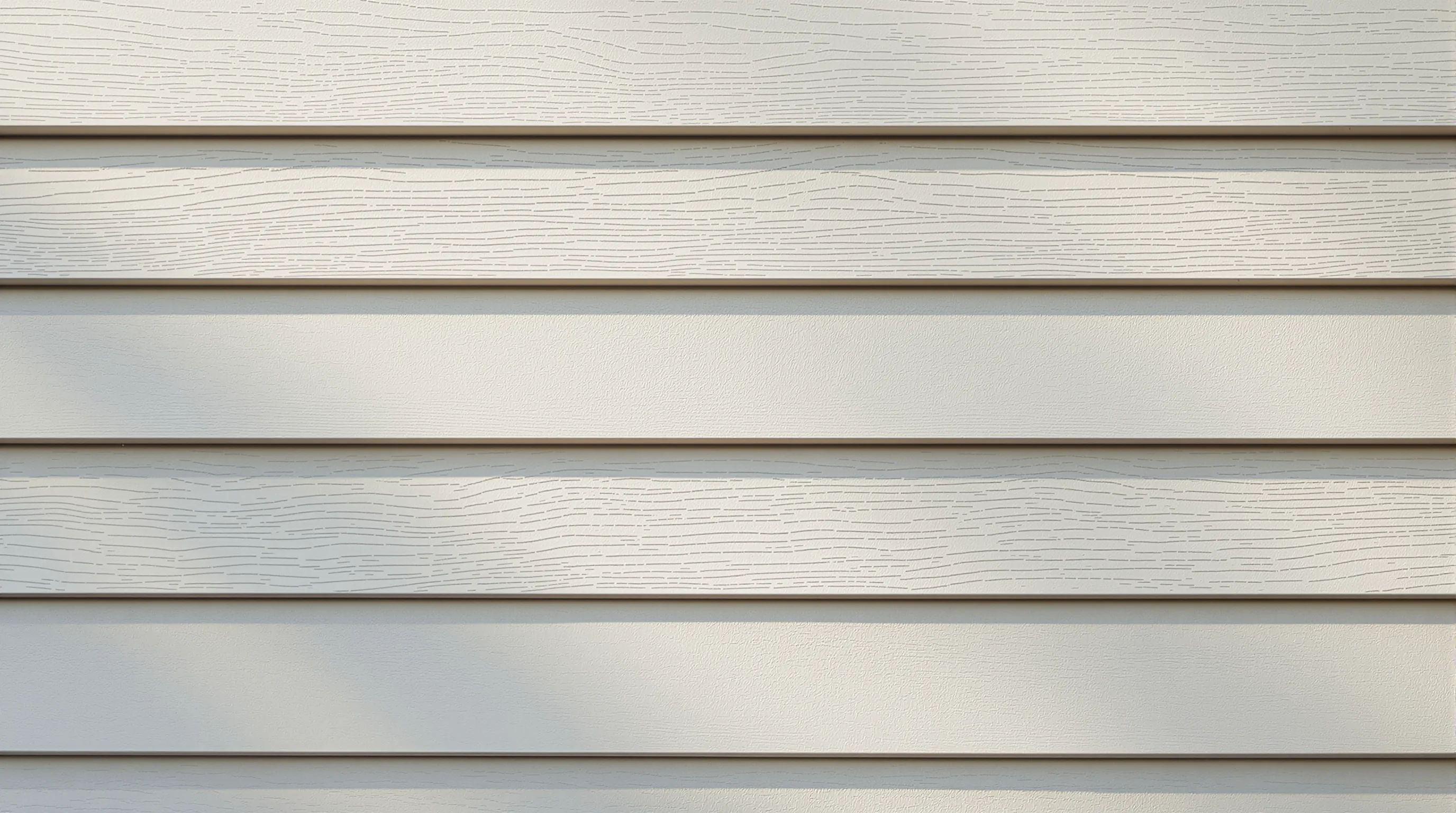
LP SmartSide is an engineered wood siding that has gained significant market share in the last decade. It is made from oriented strand board (OSB) treated with a zinc borate process that resists rot, fungal decay, and termites. Hover lists engineered wood at $7 to $12 per square foot installed, a narrower band than either vinyl or fiber cement.
LP SmartSide is lighter than fiber cement, which makes it faster and cheaper to install. It takes paint well and comes in a variety of textures, including a convincing cedar grain. It also cuts and handles like real wood, which many carpenters prefer over the dust and difficulty of cutting fiber cement.
The concern with LP SmartSide in our climate is moisture. Despite the zinc borate treatment, it is still an engineered wood product, and improper installation, gaps in caulking, failed flashing at window and door openings, or contact with standing water at the foundation line, can lead to swelling and delamination over time. North-facing walls in Lynchburg that stay shaded and damp for extended periods need extra attention to flashing details and caulk maintenance.
For newer developments in Forest and the Route 221 corridor, LP SmartSide has become increasingly popular, especially in the board-and-batten profile that matches the modern farmhouse style trending in those neighborhoods.
Wood Siding
Wood siding, whether cedar clapboard, board-and-batten, or shingle style, has a warmth and character that manufactured products still struggle to match. For historic homes in downtown Lynchburg, Federal Hill, or Garland Hill, wood siding may be the most appropriate choice architecturally. In some historic overlay districts, it may actually be required for street-facing elevations.
Cedar and redwood are naturally resistant to rot and insects, which makes them better choices than pine or spruce for exterior use. Hover gives natural wood the widest band of any material it lists, $2.25 to $15 per square foot installed, which reflects how much species and grade change the number. However, wood siding requires real commitment to maintenance. Plan on repainting or restaining every 5 to 7 years, and inspect annually for signs of moisture damage.
The North-Facing Wall Problem
In Lynchburg and across the Blue Ridge foothills, north-facing walls are where siding problems concentrate. These walls get minimal direct sunlight, which means they stay damp longer after rain. In neighborhoods shaded by mature oaks and poplars, common in older parts of Lynchburg, north-facing wood siding can develop moss and mildew growth within a few years of painting.
This is a wood-specific issue because wood absorbs and holds moisture. Moss and mildew grow underneath the paint film, causing it to blister and peel, which exposes bare wood to further moisture intrusion. The cycle accelerates once it starts.
If you have a home with significant north-facing wood siding, the maintenance cycle is more like every 3 to 4 years rather than 5 to 7 for other exposures. Consider using a paint or stain with mildewcide additive, and keep vegetation trimmed back at least 18 inches from the wall to improve air circulation.
Color Trends: Blue Ridge Palette vs. Coastal Virginia
Color choices in the Lynchburg area trend differently from homes in Richmond, Virginia Beach, or Northern Virginia. The "Blue Ridge palette" tends toward earth tones that complement the surrounding landscape, sage greens, warm grays, stone tans, deep slate blues, and weathered barn reds. White trim remains dominant, but the shift toward darker, contrasting trim colors (charcoal, black, dark bronze) has been noticeable in newer construction.
The lighter, brighter palettes popular in coastal Virginia (pale yellow, sky blue, coral) look out of place against a backdrop of mountains and hardwood forest. When choosing colors, stand outside your home and look at what surrounds it. A color that looks great on a swatch in the showroom may clash with the tree canopy and hillside behind your house.
Board-and-batten siding in dark colors (carbon gray, deep forest green, black) has exploded in popularity in newer Forest developments and along the Route 221 corridor. This is the modern farmhouse influence, and it works well in wooded settings. Meanwhile, traditional neighborhoods downtown tend to stay with horizontal lap siding in classic color combinations, which is fine. Do not chase trends if your home's architecture does not support them.
The Ice Dam Issue Where Siding Meets Roofline
One problem specific to our climate zone that rarely gets discussed: ice dams at the roofline where siding meets the soffit. When snow accumulates on the roof and melts from the underside (due to heat loss through the attic), the meltwater runs down to the cold eave edge, refreezes, and backs up under the shingles. That backed-up water can also run behind the siding at the top where it meets the soffit or fascia.
This is not strictly a siding problem, it is an attic insulation and ventilation problem, but it manifests as water stains, bubbling paint, or rot on the top 12 to 18 inches of siding. Homes at higher elevations in Bedford County and Amherst County see this more often because they get heavier snow accumulation. If you are replacing siding and notice rot concentrated at the soffit line, address the ice dam root cause (attic air sealing and insulation) at the same time, or you will be dealing with the same damage on your new siding.
Which One Should You Choose?
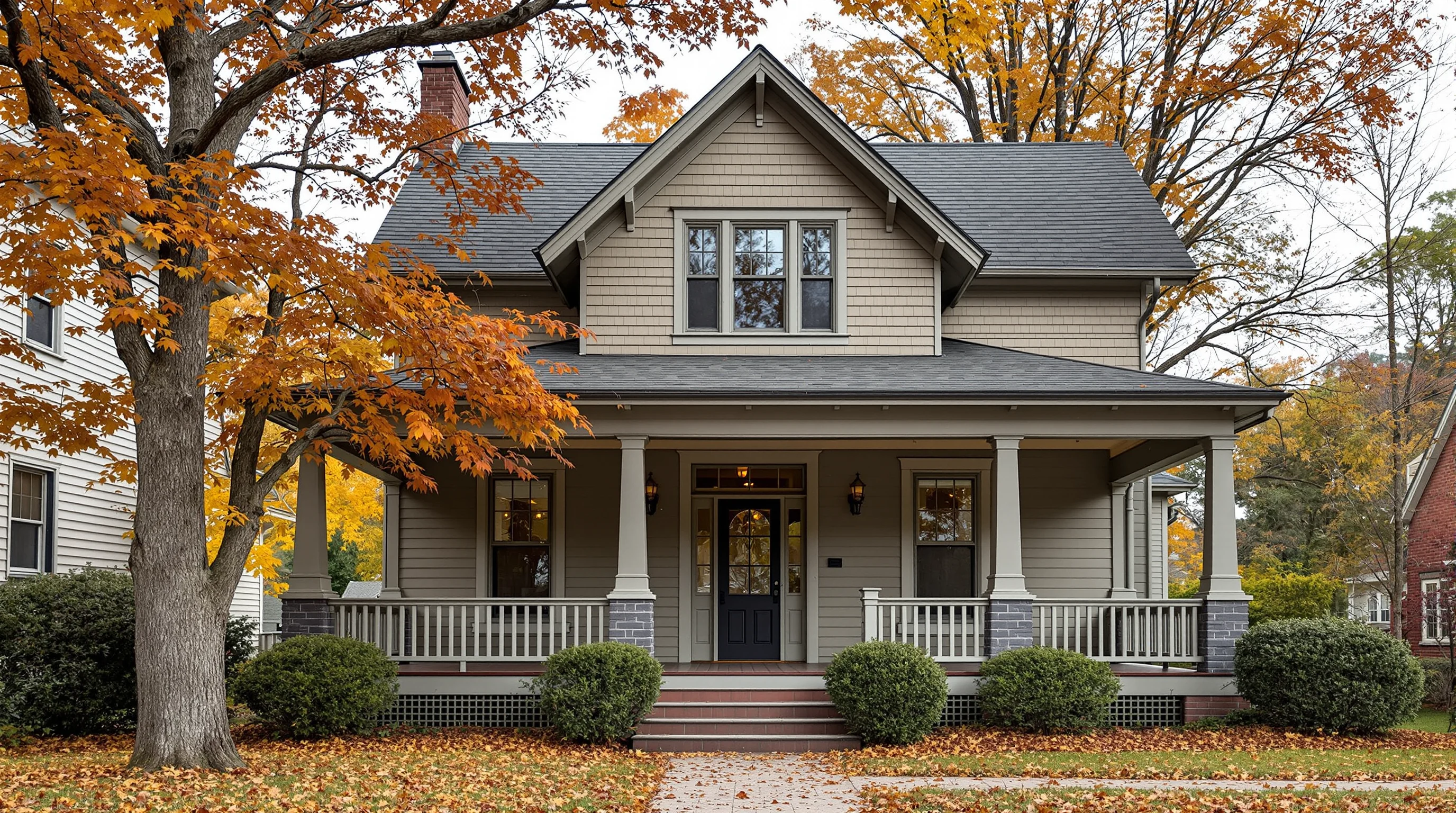
For most homeowners in the Lynchburg area, the decision comes down to budget, maintenance tolerance, and how long you plan to stay:
- Best value on a budget: Vinyl siding, lowest upfront cost, nearly zero maintenance, handles freeze-thaw well at any elevation
- Best long-term investment: Fiber cement (HardiePlank HZ5), minimal maintenance, maximum durability, excellent resale value. Just be aware of the woodpecker factor in wooded areas.
- Best mid-range option: LP SmartSide, lower cost than fiber cement, real-wood handling characteristics, works well in modern farmhouse styles. Requires attention to moisture management on north-facing walls.
- Best for historic homes: Wood siding, nothing matches its character for period-appropriate homes. Budget for regular maintenance and accept it as the cost of authenticity.
Getting It Installed Right
Regardless of material, proper installation makes all the difference. Siding installed without adequate housewrap, flashing at windows and doors, or ventilation behind the cladding will fail prematurely no matter how good the product is. Water management is the entire game, every detail exists to keep moisture from getting behind the siding and staying there.
Always hire a contractor who specializes in siding installation and can show you examples of their work on homes in the area. Ask specifically about their flashing details at windows, doors, and the foundation line. If they cannot explain their approach in plain language, that is a sign they are winging it.
Siding in our network goes through Eric Farr, a Lynchburg general contractor who also covers windows, decks and pergolas, listed on our contractors page. We connect homeowners across the Lynchburg metro with experienced siding contractors who know the right products and techniques for Blue Ridge conditions, including which HardieZone belongs on your house. We verify licence and insurance before making the introduction. Learn more about how we vet our partners. Every referral comes with a free estimate and no obligation.
Not Sure Which Siding?Get a Free Siding Consultation
Our network includes siding specialists who work with vinyl, fiber cement, LP SmartSide, and wood. Get honest advice for your specific home and budget.